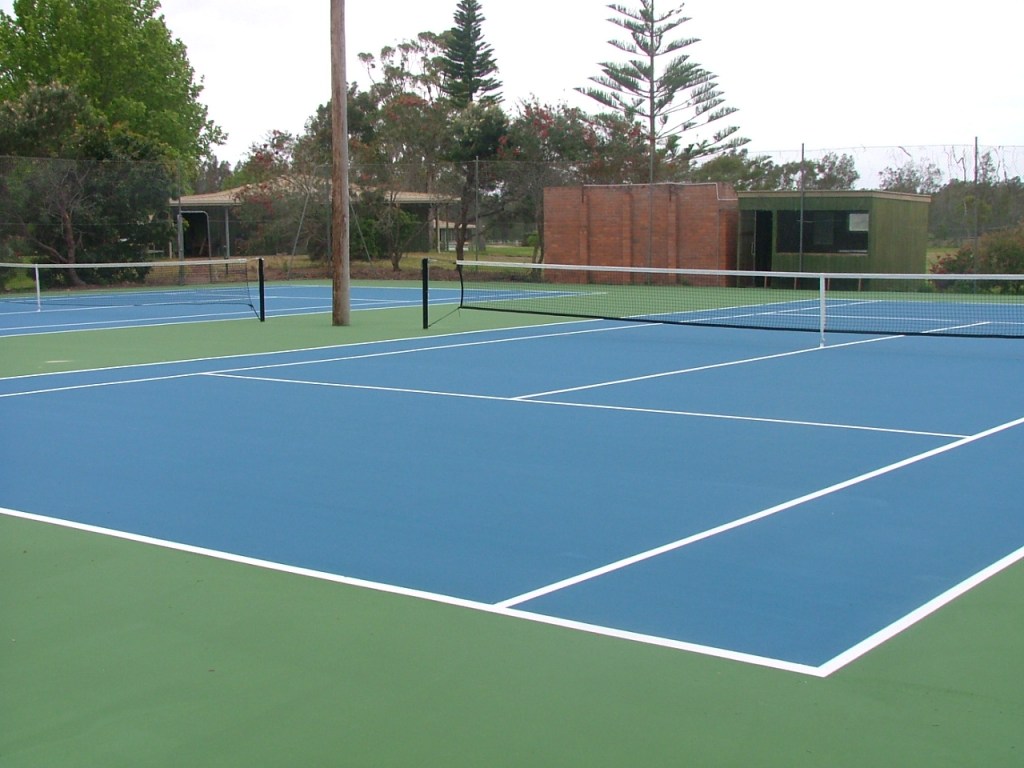
Badminton is one of those sports that looks simple until you step onto a properly built court. The bounce, the grip, the spacing—everything matters. Whether you’re planning to build a court for a school, club, or commercial facility, understanding the fundamentals can save you time, money, and future maintenance headaches. From dimensions to materials and choosing the right professionals, every step plays a role in delivering a high-quality playing experience.
Understanding Standard Badminton Court Dimensions
Before you even think about construction, you need to get the measurements right. The badminton court size is defined by international standards, and sticking to these ensures fair play and usability.
A standard court measures 13.4 meters in length and 6.1 meters in width for doubles matches. For singles, the width reduces slightly to 5.18 meters. The net is placed at the center, with a height of 1.55 meters at the edges and 1.524 meters in the middle.
Spacing around the court is equally important. Ideally, you should have at least 1.5 to 2 meters of free space on all sides. This prevents players from colliding with walls or obstacles and allows smooth movement during gameplay.
Many people underestimate how crucial precise marking is. Even a small misalignment can affect gameplay, especially in competitive environments. So, always double-check measurements before moving forward.
Choosing the Right Surface for Performance
The surface you choose can make or break your badminton court. Players need a balance between grip and cushioning to prevent injuries and ensure smooth footwork.
Wooden flooring is often considered the gold standard, especially in professional settings. It offers excellent shock absorption and a consistent bounce. Synthetic flooring, on the other hand, is more affordable and easier to maintain, making it a popular choice for schools and community centers.
Concrete or cement bases are typically used as the foundation, but they must be layered with proper materials to avoid hardness. A direct concrete surface is not recommended, as it can lead to injuries over time.
Lighting also plays a role here. A well-lit court with non-glare lighting enhances visibility and reduces strain on the eyes.
Why Professional Construction Matters
This is where many projects go wrong—trying to cut corners during construction. Hiring a reliable badminton court size ensures that every detail, from leveling to finishing, is handled professionally.
Experienced companies understand soil conditions, drainage requirements, and material selection. They also ensure that the court remains durable under heavy use. A poorly constructed court might look fine initially but can develop cracks, uneven surfaces, or waterlogging issues within months.
Working with professionals also saves time. They follow a structured process, from site inspection to final finishing, ensuring that the project is completed efficiently.
Key Steps in Court Construction
Building a badminton court isn’t just about laying down a surface. It involves several critical steps:
1. Site Preparation
The ground must be leveled and compacted properly. Any unevenness can lead to long-term issues.
2. Base Construction
A strong base, usually made of concrete or asphalt, provides stability. Proper curing time is essential here.
3. Surface Installation
Depending on your choice—wood, synthetic, or acrylic—the top layer is installed with precision.
4. Marking and Finishing
Accurate court lines are drawn using high-quality paint. This ensures visibility and longevity.
5. Lighting and Accessories
Installing proper lighting, nets, and poles completes the setup.
Each step requires attention to detail. Skipping or rushing any stage can compromise the overall quality.
Cost Factors You Should Consider
Budget is always a concern, but it’s important to look beyond just the initial cost. The total expense depends on factors like location, materials, and labor.
For example, wooden courts are more expensive upfront but offer better durability and player comfort. Synthetic courts are cost-effective but may require more frequent maintenance.
Hiring a trusted badminton court construction company might seem like a higher investment initially, but it often reduces long-term repair costs. Think of it as paying for quality rather than fixing mistakes later.
Maintenance Tips for Long-Term Use
Once your court is ready, maintenance becomes the next priority. Regular cleaning prevents dust buildup, which can affect grip. For wooden floors, polishing and periodic inspections are necessary.
Avoid water accumulation at all costs. Proper drainage systems should already be in place, but routine checks help maintain efficiency.
Net and pole conditions should also be monitored. Replacing worn-out equipment keeps the court safe and functional.
Final Thoughts
Building a badminton court is not just a construction project—it’s an investment in quality play and long-term usability. Getting the badminton court size right, choosing the appropriate materials, and working with professionals are all crucial steps.
A well-designed court doesn’t just look good; it enhances performance, reduces injury risks, and stands the test of time. So, whether you’re planning a personal setup or a commercial facility, take the time to do it right the first time.
 Site Title
Leave a comment