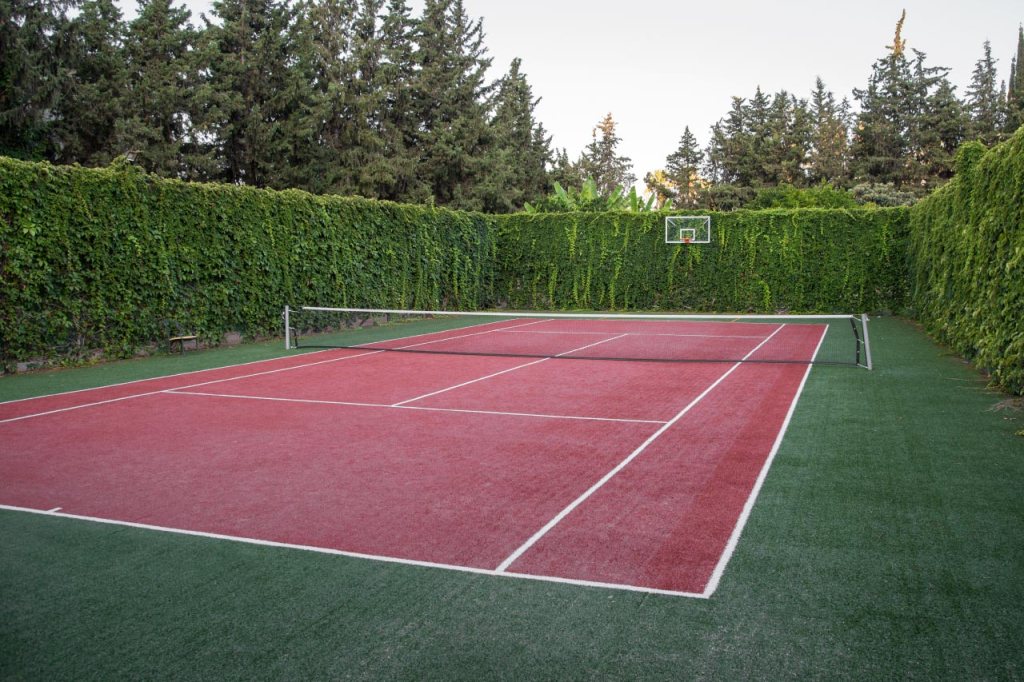
There’s something quietly powerful about a tennis court. Maybe it’s the symmetry, the lines drawn with intention, or the fact that it can host both fierce competition and lazy Sunday rallies. From a distance, a court looks simple. Flat surface. Net in the middle. A few painted markings. But anyone who’s ever seriously thought about building or upgrading one quickly realises there’s a lot more beneath the surface — literally and figuratively.
Whether you’re a club manager, a school administrator, a property developer, or just someone dreaming of a private court in the backyard, understanding how courts are built and cared for helps you make smarter decisions. And, frankly, it saves money and regret down the line.
The Surface Is the Soul of the Court
The first real decision — and arguably the most important — is choosing the right tennis court material. This choice shapes everything: how the game feels, how much maintenance you’ll deal with, and how long the court will last before it starts complaining.
Hard courts, usually made from asphalt or concrete with acrylic coatings, are common because they’re durable and relatively predictable. The ball bounce is consistent, which players tend to like, but they’re harder on the joints. Clay courts, on the other hand, are slower, easier on the body, and romantic in a very European way — but they demand constant grooming and care. Then there’s grass, beautiful and unforgiving, which few people choose today unless tradition or prestige demands it.
What often gets overlooked is how climate and usage should influence this decision. A surface that works perfectly in a dry, mild climate may struggle in areas with heavy rain, extreme heat, or freezing winters. The “best” material is rarely universal — it’s contextual.
It’s Not Just the Court, It’s What’s Under It
A lot of people fixate on the visible surface and forget what lies underneath. Drainage, base layers, and soil preparation don’t sound glamorous, but they determine whether your court ages gracefully or cracks and sinks within a few years.
Poor drainage is one of the fastest ways to ruin a court. Water that doesn’t move away properly will find ways to damage the surface, especially with freeze-thaw cycles. This is why experienced contractors obsess over sub-base design, even though it’s the part no one ever sees once the court is finished.
The Question Everyone Asks (and Dreads)
Sooner or later, the conversation always turns to tennis court construction cost. And it’s understandable — this isn’t a small investment. Costs vary wildly depending on location, materials, site preparation, fencing, lighting, and whether you’re building from scratch or upgrading an existing space.
A basic outdoor hard court can be relatively affordable compared to clay or grass, but “basic” is a slippery word. Add professional-grade fencing, LED lighting, wind screens, or custom colours, and the numbers climb quickly. What matters most is transparency and planning. A court built cheaply with corners cut often ends up being far more expensive after a few years of repairs.
Many people also underestimate ongoing costs. A court isn’t a one-time purchase; it’s a living structure that needs attention.
Wear Happens — Even on the Best Courts
No matter how well a court is built, time and play take their toll. Cracks appear. Colours fade. The surface loses its grip. This is where tennis court resurfacing becomes part of the conversation, not as a failure, but as normal upkeep.
Resurfacing doesn’t always mean tearing everything out and starting again. In many cases, it involves repairing cracks, restoring texture, and applying new acrylic layers to bring the court back to life. Done at the right time, resurfacing can extend a court’s lifespan by many years and dramatically improve play quality.
The mistake people make is waiting too long. Small surface issues are relatively inexpensive to fix. Ignored problems tend to grow — and eventually demand full reconstruction instead of a manageable refresh.
How the Court Feels Matters More Than You Think
Players notice things that don’t show up on spec sheets. How forgiving the surface feels after an hour of rallies. Whether the ball skids or grips just a bit too much. Whether the court drains quickly after rain or stays damp and slippery.
These details influence how often the court gets used and how much people enjoy playing on it. For clubs and schools, this directly affects member satisfaction and participation. For private owners, it’s the difference between a court that becomes a daily joy and one that slowly turns into an expensive ornament.
There’s an Emotional Side to It, Too
This might sound strange, but courts carry memories. First lessons. Weekend matches. Quiet solo practice sessions at dusk. When a court is well designed and cared for, people form attachments to it. That’s why thoughtful construction and maintenance matter beyond just technical specs.
A court that feels neglected sends a subtle message: this place doesn’t care. A court that’s clean, safe, and thoughtfully maintained invites people in.
Thinking Long-Term Pays Off
The smartest court projects aren’t the cheapest or the most extravagant. They’re the ones that balance upfront investment with long-term usability. Choosing materials that suit the environment, planning for maintenance, and budgeting for periodic upgrades creates a court that serves players well for decades.
It’s tempting to focus only on the build phase, but experienced owners think in timelines: five years, ten years, twenty. They ask how the court will age, not just how it will look on opening day.
A Final Thought Before You Pick Up the Phone
If you’re considering building or upgrading a tennis court, slow down just a little. Ask questions. Talk to people who play on the surface daily, not just those who sell it. Think about who will use the court, how often, and in what conditions.
 Site Title
Leave a comment